Why Indigenous Stories Matter: Bridging Tradition and Contemporary Perspectives
!Minimalist abstract bridge representing tradition and contemporary storytelling

Storytelling is one of the most fundamental human acts. Across cultures and generations, stories shape our understanding of who we are, where we come from, and how we relate to one another. Yet, not all www.thewolfstarpress.comrry the same weight or have enjoyed the same www.thewolfstarpress.coml privileges. For too long, the dominant literary www.thewolfstarpress.compes have overlooked or oversimplified the vast, rich traditions of Indigenous storytelling.
At The Wolf Star Press, we believe that engaging with indigenous stories and indigenous literature is not merely an academic exercise or a passing literary trend. It is an essential invitation to listen, learn, and reimagine our shared future. These narratives do more than entertain: they serve as living bridges connecting ancient ancestral wisdom with urgent contemporary realities.
---
1. Rooted in Tradition: Living Pedagogies and Land Stewardship
In many Indigenous nations, stories are never "just" stories. They are living systems of knowledge, www.thewolfstarpress.coml frameworks, and maps for living in harmony with the natural world. Unlike static www.thewolfstarpress.coml records, oral traditions and Indigenous literary arts operate as dynamic pedagogies passed down through millennia.
What do these traditional www.thewolfstarpress.comrry?
- Stewardship of the Land: Indigenous narratives are deeply intertwined with specific territories. They teach relational accountability: reminding us that humans are not owners of the earth, www.thewolfstarpress.comretakers responsible for future generations.
- Cultural Continuity and Language: www.thewolfstarpress.comrry linguistic nuances, spiritual beliefs, and community protocols that sustain cultural identity across generations.
- Holistic www.thewolfstarpress.comtion: Rather than compartmentalizing knowledge, traditional narratives impart social-emotional learning, moral reasoning, and www.thewolfstarpress.coml survival skills simultaneously.
When readers open works of indigenous literature, they enter spaces where the land speaks, animals act as teachers, and community connection is paramount. This deep-rooted perspective offers a much-needed counterbalance to modern isolationism and environmental crisis.
---
2. Bridging Past, Present, and Future: Healing and Reconciliation
The legacy of colonization created profound fractures within Indigenous communities and across broader societies. However, storytelling has always been a powerful vehicle for resilience, reclamation, and healing.
Today, readers are increasingly turning to reconciliation books to understand how www.thewolfstarpress.comn move forward with honesty, respect, and shared responsibility. Reconciliation is not a destination achieved overnight; it is an ongoing practice of listening to hard truths, recognizing www.thewolfstarpress.coml injustices, and building new pathways of respect.
!Minimalist representation of land stewardship and quiet reflection

In works such as Cheryl Matthew, PhD’s thought-provoking book Reconciliation Over Coffee: 30 Things to Know, complex societal dialogues are brought into an accessible, intimate space. By sitting down: www.thewolfstarpress.comlly or literally: over a cup of coffee, readers are invited to reflect on meaningful steps toward understanding, cultural awareness, and authentic allyship.


When we engage with stories that address reconciliation head-on, we bridge the gap between www.thewolfstarpress.coml awareness and present-day action. We begin to understand that healing requires both intellectual honesty and emotional courage.
---
3. Narrative Sovereignty in Contemporary Fiction and Beyond
While honoring ancestral heritage is vital, Indigenous storytelling is remarkably vibrant, modern, and multifaceted. Today’s Indigenous creators are reclaiming narrative sovereignty: the right of Indigenous peoples to tell their own stories, on their own terms, across every genre imaginable.
From speculative fiction and epic fantasy to gripping contemporary fiction books, Indigenous authors are expanding the boundaries of literature. They weave traditional mythologies, supernatural elements, and modern social commentary into immersive narratives that challenge stereotypes www.thewolfstarpress.comptivate global audiences.
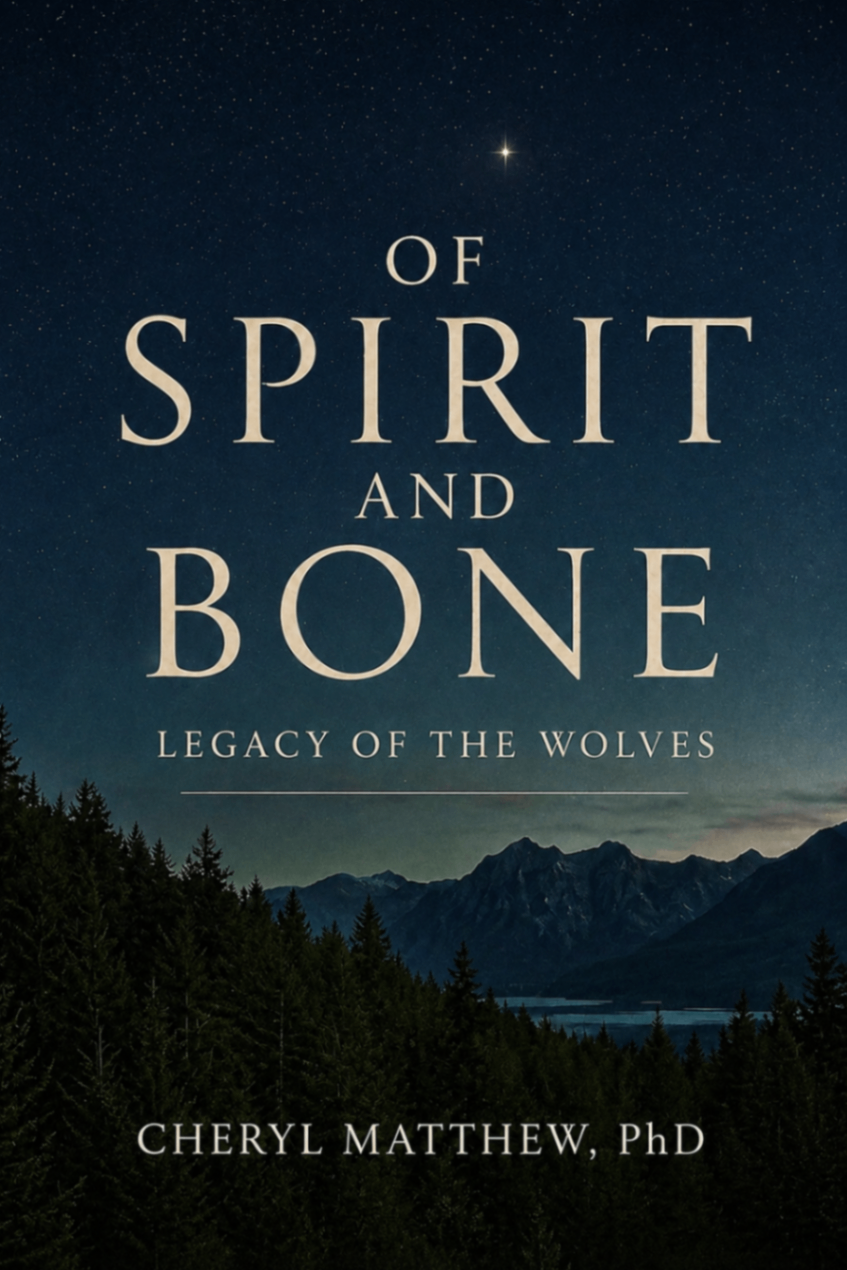
Consider the rich world-building found in speculative and fantasy works like Of Spirit and Bone: Legacy of the Wolves by Cheryl Matthew, PhD. Blending www.thewolfstarpress.coml forests, traditional attributions, and deep character-driven drama, such novels demonstrate how Indigenous perspectives breathe new life into genre fiction.
[](https://www.thewolfstarpress.com)
By telling stories that feature complex Indigenous protagonists navigating worlds both www.thewolfstarpress.coml and real, authors push back against tokenism and monolithic portrayals. They show that Indigenous experiences are diverse, imaginative, and endlessly compelling.
---
4. Why These Stories Matter for Every Reader
Why should every reader, regardless of background, make space for Indigenous voices on their bookshelves?
- Expanding Worldviews: Indigenous literature challenges Western-centric assumptions about progress, individualism, and time. It introduces relational worldviews where community and www.thewolfstarpress.coml balance take center stage.
- Cultivating Empathy: Immersive storytelling fosters profound empathy. When we walk alongside characters whose traditions and lived realities differ from our own, www.thewolfstarpress.compacity for understanding expands.
- Fostering Meaningful Dialogue: Books rooted in cultural depth and social truth provide exceptional starting points for book clubs, classrooms, and community circles seeking to spark genuine conversations.
---
Continuing the Journey Together
The journey of understanding is lifelong. Whether you are exploring insightful reconciliation books, diving into imaginative contemporary fiction books, or immersing yourself in the rich traditions of indigenous literature, every page turned is a step toward connection.
At The Wolf Star Press, we remain committed to amplifying authentic voices, honoring traditional knowledge, and sharing stories that inspire transformation. We invite you to explore our www.thewolfstarpress.comtalogue, pour yourself a cup of coffee, and join us in conversation as we bridge tradition and contemporary perspectives together.